THE FALLEN NIPPLE

I’m examining a part of myself that has been with me all my life, now detached and between the tips of my tweezers. It’s surreal that this blackened, shrivelled raisin of a thing once served as my daughter’s comfort and source of nourishment, nurturing her growth for over two years.

“Should we say something?” my husband asks. My stomach churns in a strange brew of fascination, disbelief, and horror. My nipple has fallen off and it is no longer a part of me.

There have been so many levels of letting go. A year ago, I was finally ready for a mastectomy only to learn I wasn’t eligible. For the last six months, my body has been breaking down this fist-sized ball of unruly cells in a painful, gruesome process—my body’s own way of giving me a mastectomy.

The fleshy crevice is nearly closed, and the sheer force of tissue pulling together brings the most intense pain, surpassing even the avulsion fracture in my left humerus from my recent fall. After my third staph infection due to this open wound and low immunity, I’ve accepted antibiotics as part of my treatment plan. Once my foe, antibiotics are now my ally—a testament to the softening of my once-rigid way of thinking.

The right side of my torso and arm feels like it’s rusting—heavy, creaky, and persistently achy. It’s a diversion from the new lump growing in my other breast. This unwelcome newcomer has a genetic twist, playing by a different set of rules from the other side. I’m not sure if experience has lessened the shock of another cancer or if I’ve simply become immune to adversity. Either way, there’s nowhere to go but toward acceptance, mustering the fortitude to keep going.

“Thank you for being a part of me. Go in peace,” I say. I package up my nipple to be buried with our son, whom I miscarried years ago. What I’m sharing may seem like tragedy and hardship, but I’m seeing it differently. I’m recognizing how much I’ve let go of, which has helped me grow in ways I may not have otherwise. I’m finding confirmation of this in how I navigate these experiences.

There are only two ways of being. In this cocoon of metamorphosis, I can be trapped in darkness or held in light, depending on how I perceive my experience. I’ve started simplifying my approach to life: whatever is not of peace must be examined, and it’s my work to practice finding my way back to peace if it’s absent.

Some days, I crumble under the weight of it all. In the catharsis of unyielding pain and exhaustion, I cry out for mercy. There are thoughts I dare not voice—because if I say them aloud, they might become real. My mind swings like a pendulum between what I have gained and what I have lost. Tonight, I mourned the loss of what was once my perky pink nipple. Tomorrow, I hope to gain something that will illuminate my way forward.

I’m managing my pain while readying myself for the next stage of treatment. There are many moving parts, and they can only be organized from an eagle-eye perspective. Looking back over the last five years, I see that my milestones of growth have come through loosening my grip on what I think I know, acceptance, and my willingness to see things differently—to choose a perspective that doesn’t trap me with nowhere to go.

Now I’m waiting to have my sternum biopsied. We need to determine if the metastasis there is related to the hormone-driven cancer or the new one. If it’s connected to the original cancer and the other is contained without spread, surgery may be recommended. If there is spread, I’ll need to consider systemic treatment for both. The thought of surgery no longer terrifies me. My attachment to appearance no longer enslaves me. Accepting help no longer feels like defeat.

I’ve decided to be proactive and use the remaining funds that this incredible community raised for me towards genetic testing. If I’m to have faith in conventional treatment, knowing that guesswork is minimized would be helpful. FoundationOne, an FDA-approved lab, uses biopsied tissue to identify mutations, amplifications, and other alterations to match targeted treatments. Though it’s unfortunately not covered by our healthcare system and comes at a high cost, this step feels essential for my peace of mind and the best way forward.

I didn’t want to fight to get my oncologist’s sign-off on this or to help me apply for the grant. Her support is essential in moving forward and incorporating this information into my treatment plan. After a four-hour drive and praying for a smooth meeting, I was met with warmth and her full support.

I’m not the same person who once held strong judgments and rigid beliefs. Reflecting on who I was, I see how much I’ve softened the boundaries of what I thought I knew. On a good day, I as Spirit feel more real than I as body. In surrendering my attachments—to appearances, outcomes, and certainty—I’ve discovered that guidance often arrive in the most unexpected and affirming ways. I yearn for connection, to bridge the gap of differences, and to find refuge in the love that unites us all. In this way, I feel closer to God and all of creation, and in this connection, I find my peace.

CHAOS TO LOVE

The process of biological changes manifests as loud, outer expressions, screaming for attention. It’s so easy to be swept away by these acute sensations and fall victim to them. When my focus latches on, it’s like a ravaged dog clamping onto a bone, unwilling to let go. Escaping the madness of what all this could mean requires a quantum shift in awareness.

Now, both breasts are mutating. For months, I’ve been witness to the gruesome disintegration of a mass that, depending on my mindset, can look like healing or like cells spiralling completely out of control. My awareness has evolved, revealing just how easily I can be whisked into victimhood and pulled into dark, unsettling territory. This new lump on my other breast is a different cancer—its subtle emergence allowed it to slip under the radar of my current treatment. It is not hormonally driven which means I’ll have to consider an alternate plan.

The use of my right arm now has limitations due to the swelling of trapped lymphatic fluid under my armpit. This breast has shrunk to half its size as the tumour corrodes. My right wing feels taut, wrapped tightly, like it’s encased in saran wrap. I’m quite certain there’s tearing in my tissue from all the stretching thats causing the edema. The open crevice reveals a dark abyss where there is a battle taking place. The other day, I pulled out a piece of rotted flesh the size of a loonie, and the sight of it made me woozy. Is this process of tissue dying off a form of healing, or am I slowly breaking down?

Yesterday, nearing the end of a peaceful forest walk, a distressed call from my daughter coincided with my dog getting into a vicious dogfight, instantly changing my state. Whirling around, I stepped onto a slippery rock, sending my phone and legs flying into the air. I broke my fall with my good arm and went into immediate shock. It felt as if the opening on my breast ripped wide open, while pain shot through my shoulder and wrist on the other side. The tranquil forest suddenly became a stage for my screams, echoing alongside the brutal sounds of the dogs fighting—a symphony of chaos amidst the silent trees that my daughter heard on the phone lying nearby.

The thing with chaos is that it can feel like the entirety of time, pulling us into its trap. The dogs stopped when my boy, Apollo, sensed I was in trouble. Somehow, he knew I was more important than the fight and came right to my side, whimpering and crying with concern. I lay there, terrified of the damage beneath my bandage, now with both arms compromised. All I could think was, ‘Are you fucking serious? More pain?’ My mind quickly spiralled into blame—the wrong shoes, the dog fight, the phone call—but I caught myself and changed my mind. That road will take me nowhere but down.

Becoming something of an avid traveler in my mindscape, I recognize the familiar downward spiral. Each descent reveals traps and my entire existence hinges on if I can step over the traps and respond to life in an affirmative way. Can I find peace amid so many frightening, moving pieces? No, not always and not right away. What I’ve noticed is that when I strip everything down to this very moment, I’m okay. Nothing is imminently ending. If I separate myself from the pain as an external experience, I can find pockets of respite simply by being here.

As I type, each press of a key reminds me of what’s wrong with me, but I counter it with, ‘Well, at least I’m writing, at least no bones are broken, my boob is still in one piece, I’m eating, and above all, I am so deeply loved by so many.’ What’s truly scary is not knowing what will happen. Grounding myself in what I do know is the only solid counteraction I can hold onto. As long as I anchor myself in love without clinging to it as something I might lose one day, I have the magic antidote to get me through the toughest of days.

I have been stripped down in a way that has allowed me to love myself by truly accepting love from others. Suffering is the sickness of feeling utterly alone. I’ve finally allowed love in. I feel the sparkle of all my relationships shining bright like a lantern, guiding my way forward. In this torn-up world of differences, love is the only medicine. It’s the glue that binds us to life, enduring through whatever is thrown at us and staying with us always.

PEACE BE WITHIN ME

Waiting with bated breath is what truly needs healing. But waiting for what? To live my life after this disease? No. The sooner I accept that cancer exists at the periphery of my life, the less I’ll be tossed around by it. I recognized the terror that surged from my gut to my throat when the doctor shared his concern. The chill that spreads and touches every part of me is all too familiar. It’s the dread of not knowing—and not wanting to know—that settles in the pit of my stomach like a heavy stone, landing with a thud.

Denial is an incredibly adaptive force, conjuring escape routes around what I do not want to accept or face. I recognize my defence mechanisms from past experiences, even when they are disguised as something else. Although they strive for reassurance, they do not change what I ultimately have to confront. My mind has been stretched in analysis, trying to explain the escalating pain I’ve been feeling lately. I chalked it up to the deep, open wound on the side of my breast, convincing myself that “pain is part of healing.”

This journey has taught me that darkness requires acknowledgment to bring it to light. Everything kept in the shadows will eventually find a way to recruit every aspect of my being and pull me in. Pretending it’s not there doesn’t heal it. I am terrified of screenings and the possibility of discovering what I don’t want to see. Accepting this fear as real—one that needs to be reframed—I did everything in my power to hold on to my peace while undergoing multiple screenings and awaiting results. My body feels like a battleground, but my spirit beckons me to stay in a place where it can’t be touched.

The flesh straddling the dark, ulcerated crater is trying to bridge the gap with formidable force. There’s an intense gravitational pull attempting to seal the opening, like the tide responding to the moon in the natural order of things. It’s like a rolling wave building as it moves toward the shore, dragging and tumbling the ocean floor with it. My right side feels torqued, stretched, and pulled in unnatural ways—like wearing a tight corset with little give. The wing of my shoulder feels clipped, but I’m reminded that I can create space in my mind where flight is always possible.

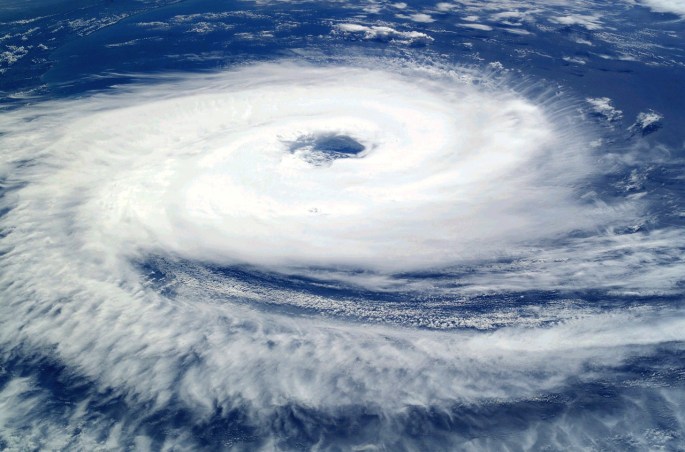
As I reflect on my experiences, my understanding of resilience is evolving. I’m beginning to embody the idea that resilience is about claiming peace, regardless of what’s happening outside. It’s about finding the still center of the cyclone while remaining within it. This place is always available—just one thought away. It can’t be reached through force; it’s found by letting go and trusting that I’m held.

It’s a choice to hold fast to faith, knowing that no matter what, I’m being guided to experience what I came here to learn. I am discovering what cannot ever be threatened and what endures. I’m learning about healing that goes beyond just healing myself.

What a huge relief it is to finally acknowledge that I don’t know anything. My suffering stems from the belief that I must know—doing whatever it takes to gain a sense of control over situations that are inherently uncontrollable. Each time, I come up with a version of what I’ve used in the past—a formula for being okay. Yet every solution has its holes, allowing familiar fears and doubts to creep back in, prompting the same defenses, which are bound to fail.

No matter what response I conjure in the face of fear, it’s always made from the same fabric of past coping mechanisms. So, I find myself questioning this entire approach to situations beyond my control. Admitting that I have no control—and no permanent fixes—leaves me with only one option: to hand it all over to a higher order.

This reckoning—the act of taking the terror of not knowing, putting it into a bag, and handing it to a higher power—feels like the only place where true refuge exists. I hand it over and say, “Here, take it all. I don’t know anything. Please, know for me.” It’s a release from the constant circling of old patterns, which only ever lead to that same desperate place, shaking and quaking, where the mind’s analysis inevitably leads to darker holes.

I tether myself to prayer, mooring my mind in peace to be guided through whatever my human experience brings. I anchor myself in the love that sustains me, believing in what can’t be changed and is everlasting. I pray that my situation does not hurt those I love. It is this love that inspires me to choose—again and again—to seek and find peace in uncharted territory.

My screening results showed regression of the disease in my liver and lungs, countered by the progression of a new lump in my other breast and possible growth in my sternum and pectoral area. It’s a mixed bag of information, but I was able to accept it without curling up into a ball. Though it wasn’t what I wanted to hear, I recognized strength in my own voice as I navigated the new information and considered what it might mean.

I am utterly done with letting this disease run the show—keeping me teetering on the edge of creating my own hell, held hostage by the wait for test results and the worst-case scenarios my mind imagines. I refuse to remain a victim of helplessness. What I do know is that resisting what needs to be accepted leads nowhere; panicking or making decisions from a place of fear only perpetuates suffering. I may have to pivot, change my treatment plan, or do things I don’t want to do. There is a place in my mind where turbulence can’t reach me. It is there that I will find my way.

PURGING

My ego is revolting in a ceremony of resistance and release. I feel the need to purge what must come out, yet it fights to maintain its territory of self-importance. Over the past couple of weeks, I’ve felt the escalating buildup. Yesterday, I was finally able to wail it out.

This wave began with the news of a beloved friend who released herself from her body. Her sudden departure shocked me, and it could have easily sent me spiraling into existential conflict. Yet, I was granted the grace of space, allowing me to recognize the importance of honoring her Spirit. Her light, which can never be extinguished, illuminated this understanding. It’s the very light that exists in me, though I’m still shaking as I hold onto this insight.

This isn’t spiritual bypass, where grief is avoided. Instead, it’s about facing the attachments I hold and allowing grief to show me hidden truths that can either pin me down or heal me. Grief offers a small peephole through which I can choose to look, revealing what I keep hidden—the true source of my suffering and the fears I hold.

As I held space for feeling her loss, I noticed how terrifying it is to confront the impermanence tied to our bodies. We live in a world full of endings, yet we invest so much into holding on. We compromise, manipulate, control, and arrange our external world to dull the overwhelming fear of deep loss that we’re afraid to feel. Although this struggle manifests differently for each of us, I believe the root of all our suffering is our quest for peace that already exists within our Spirit.

For some, peace seems unattainable while in the body. For others, the experience of being in the body becomes the catalyst to discover where it’s always been. Perhaps our individual paths ultimately lead to the same place—a place that is always available and within reach. Aren’t we all striving to return to our indivisible nature, to fill the gap that can only be filled by love—love that encompasses everything and always? Isn’t that what peace is: resting in a place where nothing can be taken away or need to be changed?

The more I question what occupies my mind, the more I become aware of the traps within the labyrinth of my thoughts. As I strive to surrender the meanings I have assigned to the things I cherish, my ego retaliates with ferocity, expressed in my body through pain. I am an apprentice alchemist, learning under the guidance of the Holy Spirit. I feel the stirrings of a revolution of undoing.

What can be understood intellectually must still be alchemized into knowing. This process often requires breaking down the components of what held it together so it can transform into something of value and importance. For me, this breakdown process is extremely painful—a metaphor unfolding in the slow, rotting process of a heightened crescendo, punctuating my five-year saga with my lump.

Undoing this story means waking up to a new one. It’s happening in fits and starts, with many do-overs. My ego wants to fight, and my body is the battleground where this struggle unfolds, intensifying the pain the more I seek solace in God’s peace. It rebels, demanding that I focus on the peaking discomfort that calls me into the darkness. I want to escape, but I won’t find the exit where there’s a fight.

Death and pain are the ego’s most powerful tools for convincing me that all I am is confined to my body. The moment I release this belief, I create space for what exists beyond. Perhaps that’s where we can find the truth we’re searching for. Nothing external can replace what I already possess, though the world tells us otherwise.

A Course in Miracles teaches that peace exists in removing the obstructions to love’s presence. So, I continue to do my best to redirect my attention to finding love, and I often find it easier to access this love outside myself—through the strength of love I have for others. This beautiful distraction offers respite from the attention that pain demands.

The thing about practicing anything is that nothing is permanent while we are here. The light switch flickers on and off within our mortal predicaments. In a world where our peace can be so easily disrupted, I must continue to practice. This practice will look different for each of us, but the shared ground we stand on is our deep desire for peace. I believe we will all arrive there, beyond the space of time and in a place of always.

JEDI MIND TRICK

I’m continuing to explore the idea that life is an interpretation of my thoughts and feelings—experience springs from choice. Choosing peace requires self-awareness and radical responsibility. Though I’m taking baby steps with plenty of do-overs, I’m encouraged by discoveries that make my heart leap.

The root cause of my experience boils down to mindset. I remind myself that my experience is shaped by what I choose to focus on and the meaning I assign to it. Do I choose survival or invulnerability—fear or Love? This choice ripples through my perception and behavior. My mind decides between two realities: what is divine and impenetrable, or what is mind-made chaos. The latter, always shifting and crashing, reveals that I’m making it up.

I want to invest in what can’t be changed or lost—what always has been and always will be. It’s easy to focus on problems, especially when they manifest in the body. Disease is loud and demanding, using pain and dysfunction to dominate our experience through fear and survival. Yet, beneath this turbulence lies the quiet presence of salvation, always available if we have the insight to look deeper.

My eyes are like film projectors, playing the movie of my mind and keeping the focus on me. As long as that focus remains, it traps me in a closed loop of my own making. Initially, the thought of taking responsibility for what I don’t want made me angry and defensive. It’s easier to blame a raw deal or believe I was dealt a bad hand, but these are just excuses for the meanings I’ve assigned. Like a magnifying mirror that turns a tiny hair on a mole into a porcupine quill, our minds amplify what’s unwanted, making it seem impossible to remove. The only solution is to decide it’s not there.

I’m not suggesting I should retreat into denial or ignore my body’s needs. If my life reflects where I invest my attention, perhaps I should focus on what can’t be taken away from me. Everything happens in my mind. Even when my body signals pain, discomfort, and dysfunction, it’s my mind that pushes me into exasperation. I can choose to flip the mirror and see the whole picture. I can decide to give and receive what is impenetrable.

What if death is merely an illusion of the mind that believes in endings? The mortal predicament often causes scrambling and suffering. Investing everything in this body, destined to fail, is precarious.

A Course in Miracles teaches that Love created us to be like Itself. Love is the only thing that cannot be threatened or changed; its purity is unwavering. Our misery can be compared to a nightmare: we feel alone and scared until we wake up and realize it was just a dream. Can we apply the same perspective to our waking nightmares? Even within the human dichotomy, what if we could choose to awaken and understand that we are held in the immutable truth of our indestructible nature?

What if the way out of the fog that brings us together in our miseries is to lift each other up by holding each other in the highest regard? If we are truly One, healing through right relationship feels more genuine than healing ourselves in isolation. It seems more attainable to project love outward and trust that it will rebound back to us, breaking down the barriers we’ve created to love ourselves. I feel this is the next big step in understanding healing. I’ve been so focused on my own healing and feeling isolated, but now, thanks to A Course in Miracles, I’m realizing it’s not just about me. It’s about how I see myself in relation to others and how I perceive them.

If peace is our inherent right and love is our essence, then every genuine act of love—whether in thought or action—brings us closer to uncovering what we already are, hidden behind the fog of our own making. It often feels easier to see others in their perfect wholeness than to see myself that way. By focusing less on myself and holding others in absolute love, free from judgment, I feel like I’m discovering a crucial piece of the puzzle. It seems like a valuable and worthwhile practice to pursue.

I liken this viewpoint to the way of the Jedi. George Lucas, the creator of Star Wars, may have drawn inspiration from a similar place in the galaxy, as the Jedi Code emphasizes focusing on peace and being aware of rash actions driven by dark thoughts. A skilled Jedi becomes aware of triggers that lead to conflict and turmoil and uses the Force, which connects us all, to create a peaceful mindset. This reinforces the way of the Jedi.

Perhaps the Force itself is love. When we look away from it, we create things that break, hurt, and end. The dark force uses every tactic to misdirect us from what cannot be destroyed, making us believe that life happens to us and forces us into an endless battle.

It’s like a Jedi mind trick to use love as the tether to correct the belief in all things that threaten us. We feel threatened because we feel scared, alone, and vulnerable. I find incredible relief in the idea that I can never truly be alone. Every opportunity to connect with another, with my heart open, is not only a chance to heal myself but also to contribute to the healing of others and the world we create.

WOUNDED HEALING

I can now stick the tip of my pinky finger into the black crater of my putrefying tumour and watch my nail disappear. My curiosity meets my repulsion as I wiggle my finger around, discovering new caverns of hollow spaces. I remind myself that although the foul-smelling decomposition of my flesh brings me to the brink of losing whatever foothold I have, I’ve been primed and ready for this by what I’ve learned through German New Medicine. Belief is also a choice, and right now I’m anchoring myself to whatever keeps me steady in the wild terrain of my mind.

I’m cautious about certainty, but my intuition tells me that I’m witnessing evidence of cancer cells dying off and my tumour shrinking. This gruesome biological process seems to be nature’s way of degrading what is unhealthy and unwanted. I can feel the tight ball of unruly cells retreating into itself, pulling on the network of connective tissue and causing inflammation that blocks lymphatic pathways. The tension is felt from the ribs below my breast, up my inner arm, and wrapping around to my lats. The squeezing of nerves sends sharp echoes into my bones.

I recognize that the details I’m sharing may be offensive or interpreted as a cry for help. Perhaps it is. I write as a way to release the pressure building in my mind and to alchemize dark thoughts into clarity. Space is crucial for me to orbit. My intention to be transparent and honest is to invite what wants to be revealed, giving me the opportunity to heal both my mind and body. Whether driven by my ego, a need to document my journey, or as a necessary form of therapy to keep going, I also hope it may serve others in some way, as I utilize creativity as my rose compass on my healing journey.

I’m still learning to balance what fuels my spirit with the patience and care my body needs. I’m getting better at gauging whether I’m overextending myself or being too cautious and limiting my experiences. There’s always room to pivot and respond if I allow myself the space to change my mind. If I impose too many boundaries on how I think I should be or what I can and can’t do, it creates a cage that leads to self-induced suffering.

I knew that a full weekend of vending my visionary crafts, dancing flamenco, and consciously connecting with those who attended the opening of my art exhibit would test my capacity for output. Needless to say, it was a testament to how love and the joy of heartfelt connection are precious medicines for my soul.

Bare-breasted, I sit as the wound clinic nurse cleans my oozing opening. I feel deeply irritated when she asks why I haven’t had the tumor removed. I haven’t seen this nurse before; her curt foreign accent makes her sound harsh and too direct for my sensitive state after a big weekend. The sleepless nights, punctuated by sharp pain and the emotional toll of the drugs I took to manage it, along with a general feeling of being ‘over it,’ contributed to my irritation. Instead of lashing out or retreating into myself, which is what I wanted to do, I course-corrected and calmly stated that surgery is not an option for me while treating metastasis. That response seemed to soften her; perhaps the softness was already there, but I only noticed it after my intentional remark.

I can easily fall into the trap of associating what’s happening to my body as my only experience of self, especially as my keen sense of smell constantly reminds me of a part of me that is rotting away. It’s easy to feel self-conscious about the smell, but that’s the beauty of transparency: there’s no need to hide. The practice is in finding safety in the wide open.

My mind is most vulnerable when day slips into night and pain lures me into the territory of fear and uncertainty. Until recently, I relied on my superpower of being able to sleep and shut off adversity. Now, that power has been hijacked, bringing new nighttime anxieties about losing the natural ability to rest and reset.

I’ve made peace with the tiny teal-colored pellet of morphine that I’ve accepted as my ally for now. I’m having a harder time with the little aqua-colored ones that can easily send me off to sleep. There is a price to pay for this assured reset, as it amps up my already medically induced volatile hormones. It makes me question and quake.

I’m into the seventh month of treatment, and although there are days where I feel like I still don’t have a handle on anything, I’m getting better at being kind to myself. I am more patient than I used to be and have faith in what can’t be fully known but deeply felt as truth. I seek opportunities where I can open to love instead of repelling, shrinking or hiding. I do my best to remember that that pain happens, but fear and suffering is a choice. I ask for help to surrender what is in the way of trusting what can’t be threatened.

While on a walk, I saw a round of a cut-up fallen tree. Looking closer, I was amazed to see bright green foliage sprouting from what I would have otherwise thought was dead. It led me to reflect on how the will to exist and express can blossom from the most unlikely places. The force of creation is a power to behold, sustained by the remembrance of its indestructible nature.

Joy captured by photographer Clinton Johnson.

SPECIALNESS

Sometimes, clarity shines through like a beam of sunlight breaking through a dense forest—direct, bright, and penetrating. As I walk, spinning my prayer beads between my fingers, I realize that cancer is giving me an opportunity to see either through the eyes of fear or through the inner eye that reveals how I mold my reality to appease the demands of an unquenchable ego.

Beneath the many facets of fear that seek to control and wreak havoc lies a deep desire to be seen. As I learn the tactics of the ego, I am humbled by what my prayers reveal. Ego will weaponize fear to prevent me from stepping into the expansiveness of God’s perfect Creation. Attacks of belittling fertilize the ground for self-punishment and outward projection, attempting to fill the self-imposed cracks.

The need to feel important can only be rooted in the belief that we are separate from one another. Otherwise, why would we need to feel special? If we acknowledge that we are all of the Same, then we wouldn’t need to constantly be assured that we matter. When our perception of who we think we are—or who we should be—is challenged, we often respond by attacking and distorting our reality to assert how we want to be seen in the world. Is my twisted ego making me feel special because of cancer? The thought stopped me in my tracks.

Cocooned in the safety of the forest, I dared myself to be perfectly honest. Is my illness a manifestation of seeking love and acceptance? Am I coveting care and validation from others through this disease? Have I allowed myself to be defined by sickness? And the biggest question of all…did I create cancer? If so, can right mindedness reverse what was miscreated?

The discomfort and resistance of pondering these questions made it clear that even in the throes of struggle, egoic pretenses exist. The justifications that immediately followed only confirmed my realization. There are deeper layers of healing beckoning my awareness beneath the superficial symptoms. The lovelessness stemming from projections of myself, rooted in self-preservation disguised as safety, is not who I truly am. I can only pray for guidance as I align my will to bring to light what truly needs healing.

The willingness to uncover the matrix of my operating system can only come through forgiveness. It’s the pathway to avoid falling into the perpetual cycle of attacks—the default program of the human condition. In my study group for A Course In Miracles, I’ve learned to ask ‘says who?’ whenever I feel uneasy. The true Self always seeks to break through with love, inclusivity, and acknowledges the sameness in us. Letting go of needing any kind of validation from others is like a long exhale into ease.

Discomfort serves as a cue to inquire about who is truly in control. If I have the awareness to catch myself in fear, which fuel cycles of attack, competition, justification, grief, righteousness, guilt, denial, disempowerment, and inner arguments of othering, then I need to take a good look at who is running the show.

The challenge with waking up is that it’s easy to konk out and slip back into autopilot. Perhaps this is why we find ourselves here, with our humanness being our teacher or our foe. Aren’t we all running variations of the same program? One that evades fear, seeks love, yearns for uniqueness and correctness, and strives to achieve these in complex ways that often leave us feeling more isolated? Isn’t suffering rooted in our sense of feeling alone and doing whatever it takes to feel less afraid and disconnected?

What if our true nature is the opposite of all that? What if it’s just buried beneath layers of our projections, always prompting us to uncover what is already there? What if healing springs from remembering that what we truly seek is inherent within us, and everything else is perpetuated by the miscreations of our own will? What if we could just grasp the expanse of our true magnificence?

LESSON: ALL THE LAMPS OF GOD WERE LIT WITH THE SAME SPARK.

Banner painting: “REVELATION”- Acrylic on canvas by Maasa

LIBERATING THE GIRL IN THE ORANGE TUTU.

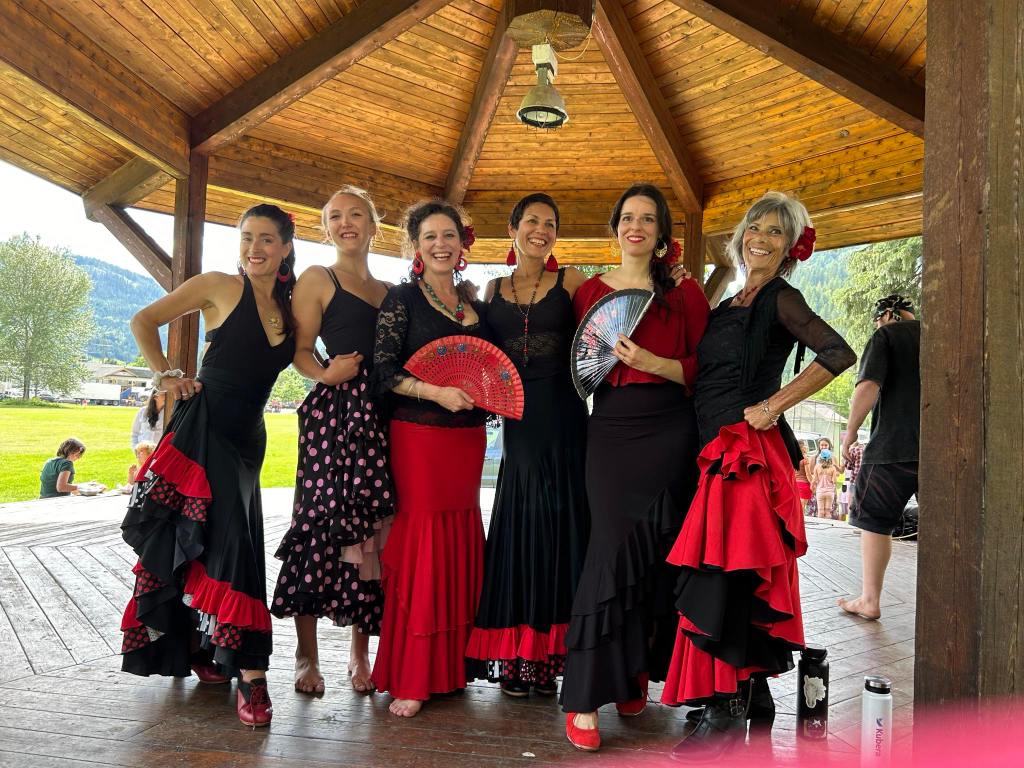
I’ve taken my place on stage, and all I can see are the silhouettes of what look like hundreds of people beneath the blaring lights shining directly on me. Our flamenco group, Las Llamadas Del Flamenco, has been practicing diligently for this very moment: to dance at the Starbelly Festival in a prime evening slot. Then, it happens again. My mind goes blank, and I feel myself distancing from my own body as panic sets in. I’m experiencing myself outside of myself, and I know that I will cause a train wreck if I don’t get out of my head. This disconnect is not new; I’ve felt it when the pressure of perfectionism rears its ugly head.

The first time this happened is one of my earliest memories. I was five, maybe six, enrolled in the prestigious Miyashita Ballet School in Kyoto, Japan. The school was known for its rigorous and comprehensive ballet training, even for young dancers. I remember the day of our big performance. Mama, along with all the other moms, was getting me ready backstage, slathering make up on my face and slicking my hair back into a tight bun on the top of my head. It was so tight that it pulled my eyes up, but no amount of pulling could hide the obvious Caucasian traits of my gangly limbs and my reddish, light brown hair. Amongst the thick, silky black hair and the build of other Japanese dancers, I was already blatantly out of place.

We all took our positions on stage, dressed in our orange tutus. I looked for my parents, but the lights blinded me. As the music started, I felt my heart in my throat, and suddenly, my mind went blank. I had no idea what I was doing up there, and my only reaction to the sudden displacement within myself was to move to the music. But my dance was entirely my own and bore no resemblance to what I had learned. I vaguely remember making the commitment to keep moving, flying solo on a gust of wind that only I could feel against the unified flock of orange tutus. I was completely in my own world throughout the entire performance, a fact that everyone witnessed. When others made it evident that I had made a colossal mistake, it forced me to carry the weight of a newfound burden of shame.

Fast forward forty-five or so years later, I’m back on stage, and I find myself on the outer perimeters of myself, desperately clinging to presence. The music starts to sound out of sync with my tapping feet, and I realize I’ve missed a cue. Drifting apart from the other dancers, who move seamlessly in sync, my mind teeters on the precipice of a total blank as I struggle to regain composure. Within the crisis, my body takes over and aligns with my group in the next bar. I have no idea how long I have been out. I willed myself to focus on my sisters on stage and to calibrate with them rather than with my competing mind that was trying to hijack the performance. It was a tug of war that I somehow managed to dance through, but not without leaving its ugly mark.

The idea of preparing for and attending a three-day festival, vending my art and performing late into the night, might have been a stretch. I had missed a flamenco performance a few months earlier because my body simply said ‘no’. After five months in treatment, a couple of visits to the ER, and dealing with a gnarly ulcerated tumour, I needed a win, so I did it. I showed up anyway with a wing and a prayer.

My shame over not performing as well as I knew I could, with a mistake I couldn’t forgive, cast a dark shadow from the moment I left the stage, despite the exuberant applause of the crowd. I was deaf to any compliment that followed. Consumed by the desire to hide, I couldn’t help but feel that I let my group down. Frustration set in as I realized I’d fallen victim to my ‘old program,’ perhaps starting back when I was the rogue dancer in my orange tutu. Exhausted and upset, I couldn’t let it go. My ego had robbed me of the joy I could have celebrated simply by being there and able to dance at all.

I awoke from a restless night of sleep, still sticky with the residue of regret over what could have been. In the light of day, I realized that an old program had surfaced because it was ready to be healed. That little girl in the orange tutu longed to be liberated, but I didn’t know how, as my ego still dominated my mind space. I’ve learned to ask for help through prayer when I’m stuck. I prayed to be liberated from attacking myself. I prayed to forgive the false perception of myself and to have a beautiful day filled with meaningful connections. I sincerely prayed to let it go.

As I walked toward my tent filled with my visionary creations, a woman stopped me along the way. Her eyes welled up as she told me that the solo I performed the night before moved her to tears. Feeling her sincerity and her need to express appreciation for my performance, my heart instantly opened to receive her perspective, releasing what was holding me. The miracle was that I actually believed her.

The day continued with numerous people expressing their love for our performance, highlighting how our group moved together while showcasing our individual gifts of creative expression. I was gobsmacked. Their perception was entirely different from how I perceived it; I was so focused on what I did wrong rather than celebrating dancing with my flamencas—a typical sabotage of the ego, which only attacks to seek importance.

The Holy Spirit showed me that healing isn’t done alone; it happens with the help of others who can shed light on who we really are beneath the distortions lurking in our subconscious. What blew my mind was seeing the footage of our dance performance. As I cringed, anticipating the part where my mistake occurred, I was shocked to find that it came and went in a flash. During that time, I was entirely in sync with the music, doing something different from the others but it looked intentional and seamlessly integrated into the whole dance. Perfectly imperfect, the girl in the orange tutu was finally liberated.

BATHING RITUAL

I’m watching blood trickle out in a steady stream, flowing down the curved contour of my breast and marking my torso. The crimson liquid bridges the realm from inside to outside, flowing from the large, mutant opening of my lump that resembles a miniature exposed brain. I notice a slight rancid smell of decomposition which quickens my heart rate so I distract myself by watching the flow. I’m in awe of how it keeps moving, assisted by force and gravity, into the bathwater, tinging it a slightly amber colour.

When we built our home, a big bathtub seated in an open space was at the top of my wish list. I meticulously laid out every tile surrounding the tub with slate, and we crafted a step into the tub from an open-faced timber slab. Ammonite fossils adorned the tiles, connecting me to ancient times and adding a personal touch to my sanctuary.

My evenings involve soaking in water that’s a little hotter than initially comfortable. I love letting the heat sear away the residue of the day, watching my skin redden against the wet heat. Perhaps it’s a Japanese trait ingrained in me from a culture that appreciates bath time as a ritual for rejuvenation, relaxation and cleanliness.

In Japan, public bathing in bathhouses with an assortment of soaking pools of various temperatures and qualities is woven into the culture. It’s a communal activity that fosters connection through the appreciation of a therapeutic soak. Both Sento, public bathhouses found in most neighbourhoods, and Onsen, which are fed by natural hot springs and often feature beautiful outdoor soaking pools, involve etiquettes and rituals. These are based on respect and tradition.

Going to the sento with my family stirs memories of early childhood, a time before I became self-conscious. I would alternate between going into the ladies’ side with Mama and the other side with Da until I reached double digits in age. Upon entering the bathhouse, I was greeted by the familiar fusion of aromas—mineral-rich water, herbs, soaps, and beauty products. An invitation to wash away the day and relax with strangers, buck naked.

At the enterance, there was a small booth where the person on duty collected our fee, which was a few hundred yen at the time, equivalent to about three Canadian dollars. The person was seated in the center of the division as the sole onlooker on both sides. My mom joked that whoever applied for that job must like looking at naked bodies. Naked bodies were a source of curiosity and quiet amusement for me.

I had no qualms about stripping down to reveal the stronger traits of my Caucasian DNA. I was accustomed to being stared at, even when clothed, simply because I didn’t look purely Japanese. At that time, with my spindly long legs and flat chest, I felt no shame and considered myself Japanese through and through, having been born and raised in the Land of the Rising Sun.

On the men’s side, It was amusing to observe the assortment of uncircumcised appendages of various shapes and sizes, though I made a point not to stare. Da, with his pale moon-white upturned arse perched on his long carrot legs, Scottish red hair, and his mushroom-tipped ding dong, drew most of the attention before they noticed the half-breed of the opposite sex in tow.

We knew the public bathing etiquette well and did our preliminary wash using the deep basin of luke warm water at the entrance of the large tiled bathing zone. Moving on, we selected our bathing stall from the lineup, each equipped with a seat, mirror, small basin, showerhead, tap, shampoo, conditioner, and body soap. Before sitting down, we ensured to clean the low seat of the plastic stool thoroughly. We proceeded with our detailed scrub down before choosing our first pool to melt into.

There are warm baths, hot baths, even hotter baths, herbal medicinal baths, detox baths, chilly baths, electric baths, and even outdoor baths at most onsens. I used to dip my toes and maybe even submerge my whole foot in the electric bath before chickening out, remembering the old lady who had a heart attack believing she got electrocuted.

Bath time for me is a ritual carried on from my childhood. I was gutted when I was told I could no longer soak in the bath—unless I poured a half bath and sat upright so my breast would float safely above the water. I couldn’t risk another staph infection from bacteria lurking in still water. Begrudgingly, I took to showers because it was too much of a tease to get in the bath without being able to slink back into a full relaxation pose, submerged, with my outstretched legs and heels perched on the opposite end. But after an exhausting day, I opted to at least give half my body the release it needed and witness the extent of my bleed.

My ongoing practice is to create a perspective that supports a harmonious state of mind. I felt mixed emotions of wonder and alarm about the volume of blood coming out of me. My Da, a doctor of Japanese acupuncture told me that Shaketsu or bloodletting is a practice to release blood out of a blocked meridian. A medicinal treatment to maintain health so I decided that is what my body is doing all on its own.

I remind myself that living in Canada, with readily available healthcare, is truly a gift. When I’m ready to get out, I call out to my husband for help to avoid getting blood everywhere. On the vanity across from the bathtub sits a basket filled with saline for cleaning, packets of antiseptic wipes, gauze, skin prep pads, blood clotting gauze, antibacterial silver mesh, and plenty of high-quality bandages designed for serious wounds. These were all provided to me for free by the local wound clinic, along with instructions from a nurse on how to care for ‘my little exposed brain on my boob.’ I can get more of whatever I need for as long as I need it. Today, I choose to be patient, curious, thankful, and keep my sense of humour intact. Today, I choose to count my blessings.

In Kyoto, Mama pregnant with me, and Da in his geta (traditional Japanese wooden sandals) and Scottish beard, which he kept until we immigrated to Canada.

LOST MY MIND

I write to disperse the overwhelming pressure of indignation welling up inside me. If I don’t do something, I will implode. The rage rumbles from deep within, rising to the surface, and I can’t decide if I need to break something, cry, or scream. My hands were painting a facade over my inner turmoil with bright, happy flowers. Disgusted by the colourful lie, I left my studio before I tore into the canvas.

I feel utterly defeated by the savage return of this stabbing pain. I clutch my elbow to my chest, hoping to still the sharp intensity. Grace and wisdom have abandoned me. I want to smash something into a million pieces, but not with innocent bystanders close by.

My right breast is an angry tight fist, made up of clusters of defiant cells. It’s pulling outward, breaching the surface and spewing blood. I want to rip it out of me, but I’m stuck with it, everywhere and all the time. This unsightly disfigurement is a constant reminder of what I’m up against, demanding meticulous care that I’m forced to provide. My life is a constant work around in attempting to tame this beast that has a mind of it’s own.

I’ve violently silenced the voice of reason that tells me to be patient, that healing can’t be rushed. I want to do something reckless, like go on a wild bender, but I have two teenage kids in the house and a husband who doesn’t deserve a crazed wife after a hard day of work.

The relentless onslaught of sleep deprivation, constant pain, unyielding self-care demands, and the fiery storm of hormonal chaos has pushed me over the edge into darkness. It all began with the realization that I won’t be able to swim in the lake to soothe the summer heat with my open wound—another joy stolen by this disease. I’m utterly fed up. My mind is a minefield, and I’m stepping on every single one, triggering explosions of what I thought I’d overcome.

Why is this happening? What did I do to deserve this? Will I ever heal? The questions I thought I’d extinguished now ring in my ears. It’s an off day, to say the least. I’m blaming it on the drugs because I need something to blame. I’m granting myself this beautiful, sunny summer day to raise my fists defiantly to the open sky.

In the midst of my calamity, I want to push everyone and everything away. I don’t want to be seen caught in the trap of this disease. Love can’t reach me when I’m lost in the dark. I isolate so I won’t pull the ones I love into the abyss of self pity. It’s a relentless cycle of despair, anger, helplessness, and guilt for feeling this way. I’m ensnared by every obstacle that obstructs love’s path.

I know I need to come up for air and that means I need sleep. I disown my pride and falter back to the morphine so I can numb myself and escape. I granted myself this mercy in hopes of a better tomorrow.

There are days when I lose my grip on what I thought I’d learned, and suddenly, it all seems meaningless. Suffering has a deafening voice, often drowning out the whispers of wisdom, love, and gratitude. Sometimes, I simply need to splatter and spew, raging against my tormentor. It’s not elegant, but it’s a release nonetheless—a raw expression of humanity.

It encapsulates the perfect imperfection of our existence—the beauty, the joys, the despair, the hopelessness—all intertwined with the uncertainty of why we are here and where we are headed.

LESSON: SOMETIMES WE JUST NEED TO SPEW THE UGLY.